Renewable Mobile Nanogrid for Climate Resiliency
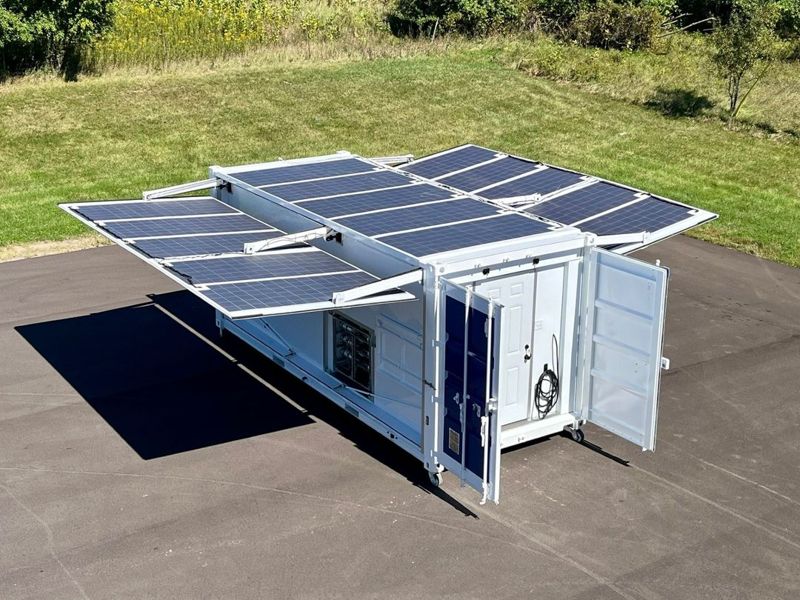
An emission-free, fully renewable mobile nanogrid that pairs a solar canopy, hydrogen, and batteries to power community resource centers during emergencies and Public Safety Power Shutoffs.
Electric Program Investment Charge · EPIC 5 (2026–2030)
The four EPIC administrators present their 2026–2030 research, development, and deployment investment plans to the CPUC and the public.
About EPIC
The Electric Program Investment Charge (EPIC) supports the development of new, emerging, and pre-commercial clean energy innovations in California. The CPUC requires that EPIC portfolios be designed to demonstrate ratepayer benefits in the form of equitable access to safe, affordable, reliable, and environmentally sustainable energy for electricity ratepayers. This program is funded by California utility customers under the auspices of the CPUC. EPIC funds are currently administered by the California Energy Commission (CEC), which administers 80% of EPIC funds, and Pacific Gas and Electric (PG&E), Southern California Edison (SCE), and San Diego Gas & Electric (SDG&E), which together administer the remaining 20%.
EPIC invests in a wide range of critical innovation, including building decarbonization, cybersecurity, demand reduction, distributed energy resource integration, energy storage, entrepreneurial ecosystems, grid decarbonization, grid decentralization, grid modernization, grid optimization, grid resiliency and safety, high penetration renewable energy grid integration, industrial and agricultural innovation, smart grid technology, transportation electrification, and wildfire mitigation. From 2012 through 2030, EPIC will have invested nearly $3.4 billion in clean energy technology innovation.
EPIC Database
The EPIC Database allows you to browse and search for electricity RD&D projects focused on innovation in renewable energy, grid reliability, building energy efficiency and decarbonization, electric vehicles, and more.
Featured projects
An emission-free, fully renewable mobile nanogrid that pairs a solar canopy, hydrogen, and batteries to power community resource centers during emergencies and Public Safety Power Shutoffs.
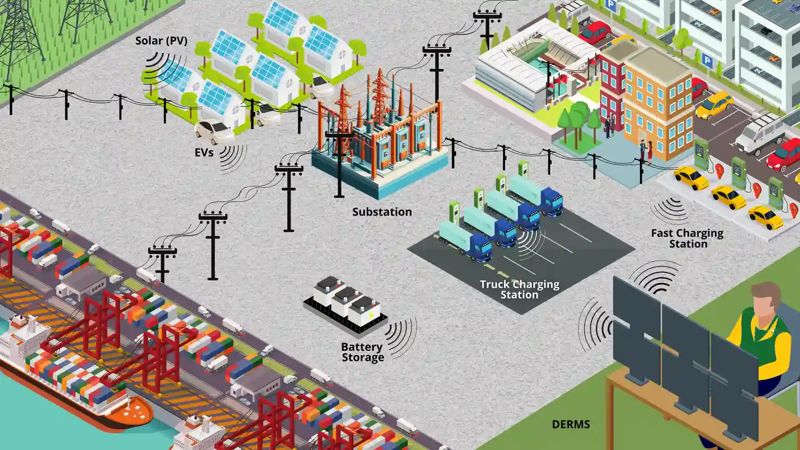
Tests how customer EVs and other distributed energy resources, orchestrated through a DERMS, can help meet the grid's current and future stability needs.
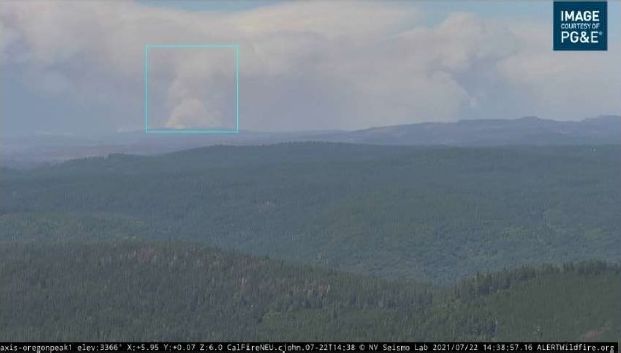
Demonstrated automated fire detection using machine learning and computer vision on wildfire alert camera feeds, to shorten initial response time.
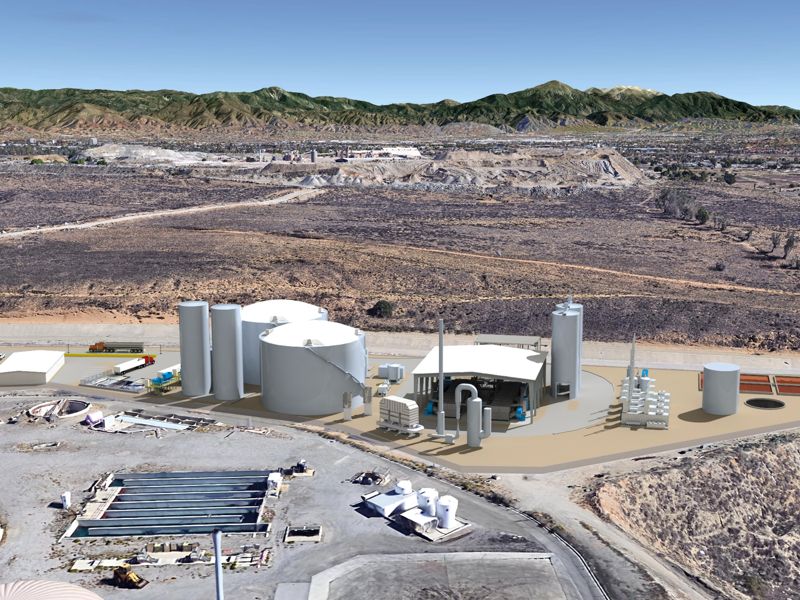
A microgrid at the Rialto Bioenergy Facility that runs on biogas from food waste, paired with battery storage for resilient clean power.
FAQ
The Electric Program Investment Charge (EPIC) supports the development of new, emerging, and pre-commercial clean energy innovations in California. The CPUC requires that EPIC portfolios be designed to demonstrate ratepayer benefits in the form of equitable access to safe, affordable, reliable, and environmentally sustainable energy for electricity ratepayers. This program is funded by California utility customers under the auspices of the CPUC. EPIC funds are currently administered by the California Energy Commission (CEC), which administers 80% of EPIC funds, and Pacific Gas and Electric (PG&E), Southern California Edison (SCE), and San Diego Gas & Electric (SDG&E), which together administer the remaining 20%.
EPIC funds are currently administered by the California Energy Commission (CEC), which administers 80% of EPIC funds, and Pacific Gas and Electric (PG&E), Southern California Edison (SCE), and San Diego Gas & Electric (SDG&E), which together administer the remaining 20%. The program is overseen by the CPUC's Energy Division staff.
EPIC 5 is the 2026–2030 investment period. On February 26, 2026, the CPUC adopted 13 Strategic Objectives (Decision 26-02-037) as clear, measurable targets to guide EPIC 5 investment plan strategies. On August 26, 2026, the four administrators filed their EPIC 5 investment plans, which the CPUC is reviewing through a public workshop on October 20, 22 & 27, 2026. Presentations and recordings are on the EPIC 5 page.
Attend the workshop in person or online, and ask questions during the public comment periods. You can also send questions or comments to the PICG Project Coordinator at PICG@theaccelerategroup.com.
The Policy + Innovation Coordination Group (PICG) was formed to provide a new, dedicated process to ensure that meaningful coordination and feedback among and between the EPIC administrators and the CPUC occurs, in alignment with state policy needs and research developments, without overly burdening the program administrators with new administrative tasks. The PICG's overarching goal is to ensure that EPIC investments are optimally aligned with and informed by key Commission and California energy innovation needs and goals. To date the PICG has facilitated four workstreams, two fora, the 2026–2030 Strategic Goals and Strategic Objectives workshops, and the EPIC 5 Investment Plan Workshop. Recordings and reports are available under PICG Workplan & Timeline and Resources.
The EPIC Database is a comprehensive resource providing publicly searchable information for all EPIC projects since inception of the program, increasing both EPIC program transparency and oversight. It compiles project lessons learned, data, and results from all program administrators into a central online location, with more than 60 searchable data fields for the program's 774 projects.
The database includes EPIC RD&D projects from all program administrators (CEC, PG&E, SDG&E, and SCE) in a single location, allowing for easy search and comparison of projects and results across the program as a whole.
Use the filters and search on the projects page to narrow results by investment area, project type, development stage, status, program administrator, investment period, CPUC proceeding, and more.
Browse an interactive map of all projects, or of filtered results, to find RD&D investments in your community. On the projects page, select the "Map" view.
Final reports for completed projects are on each project's profile page. Open a project from the project list, then use the button on the right-hand side of the page to download the final report as a PDF.
Each project profile includes up to 65 data fields: financial data, descriptions of key innovations and lessons learned, and metrics on how the project could lead to lower pollution and ratepayer costs, community benefits, and improved reliability.
Financial data for each project is updated quarterly. Each year, active projects receive a progress update. When a project is complete, its profile is updated with key learnings, innovations, metrics, results, and a final report.
About the PICG
The California Public Utilities Commission (CPUC) oversees and monitors the implementation of the ratepayer funded Electric Program Investment Charge (EPIC) research, development and deployment program. There are four program administrators: the California Energy Commission (CEC), Pacific Gas and Electric (PG&E), Southern California Edison (SCE), and San Diego Gas & Electric (SDG&E).
In Decision 18-10-052, the CPUC established the Policy + Innovation Coordination Group (PICG) - comprised of a Project Coordinator, the four Administrators, and the CPUC - to increase the alignment and coordination of EPIC investments and program execution with CPUC and California energy policy needs.
Preliminary Partnership Area Presentation (PDF)
15th April 2020EPIC 5 Workshop Overview
CPUC Decision D.26-02-037
Strategic Objectives Report
Strategic Goals Reports
Second Forum Report
First Forum Report
Equity Workstream Report
Public Safety Power Shutoffs Workstream Report
Transportation Workstream Report
Wildfire Mitigation Workstream Report
Final Partnership Areas (PDF)

Partnership Area Framework (PDF)

Partner Area Process (PDF)

Draft Partnership Areas (PDF)

You can reach the Policy + Innovation Coordination Group Project Coordinator at: